

Let’s start from the very beginning. Who, What, Where, When, Why, and How are the basic questions for analyzing any problem.
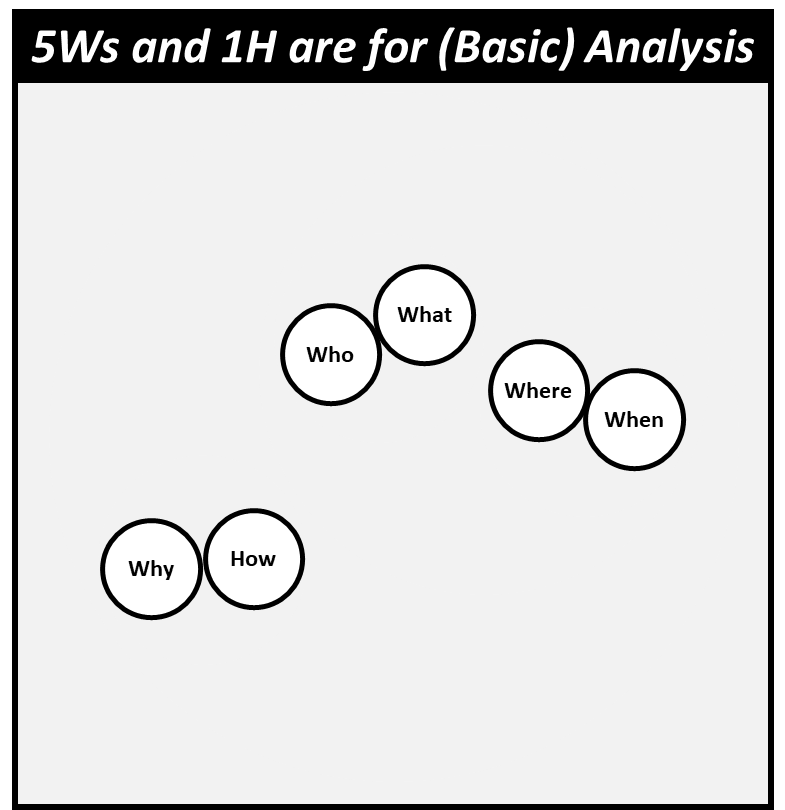
Things get far more interesting when we combine these basic questions!
Combining Who and What allows for comprehensive Identification.
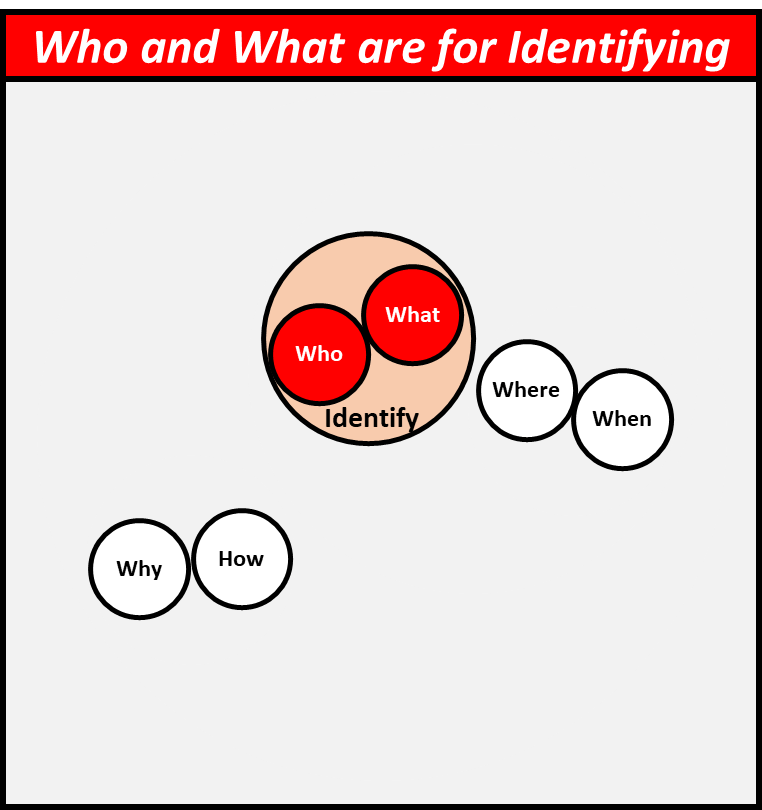
Combining Where and When allows for describing Location.
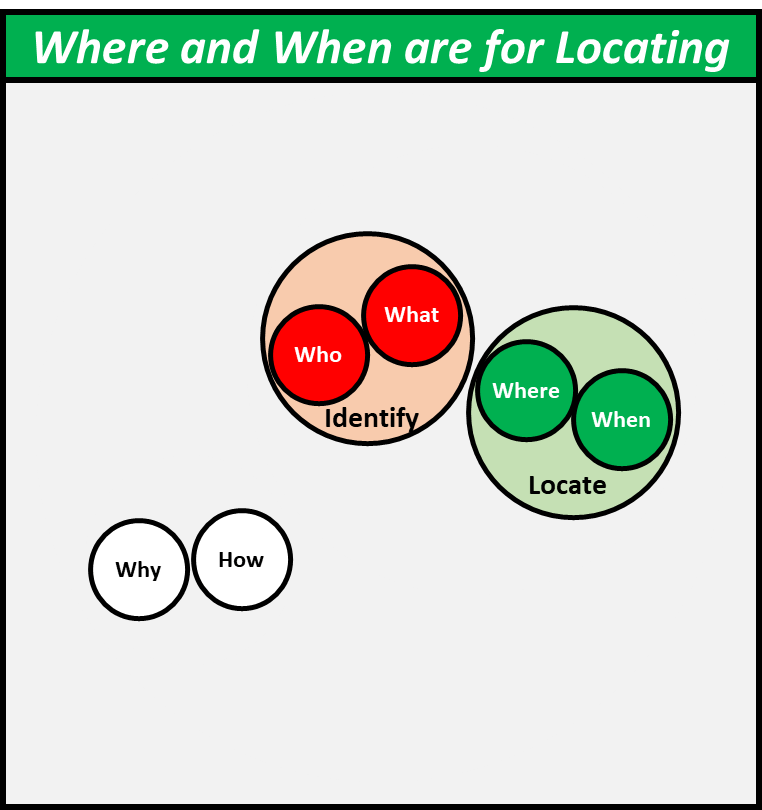
Going one step further, we can combine Identify and Locate to arrive at complete Detection.

Why and How together are for defining Relationships.
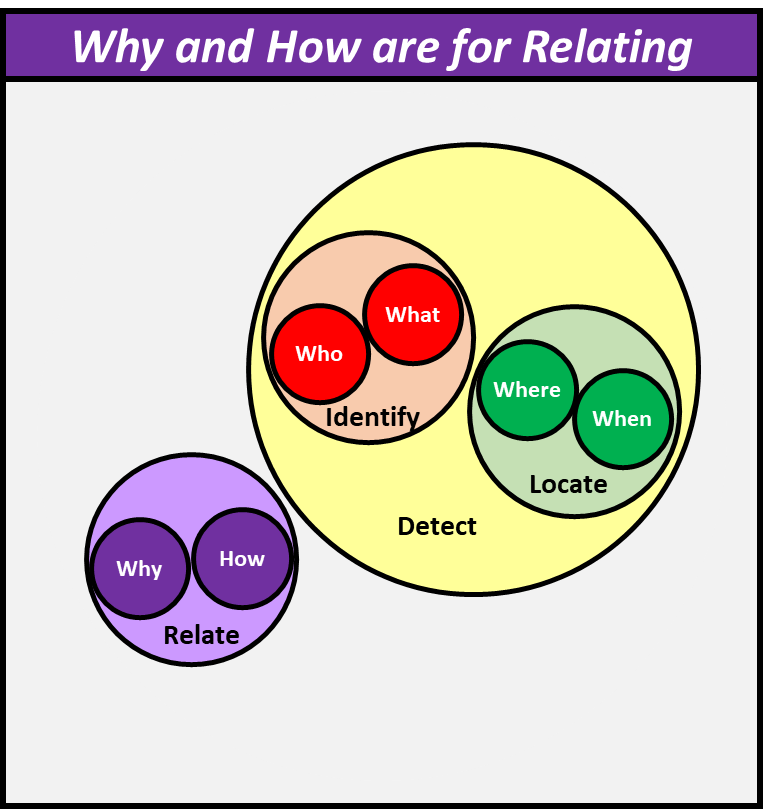
Putting everything together, if we have Detected objects and have discovered how they are Related we can achieve Effectiveness. Namely, using our knowledge of how objects behave with each other, we can control the objects to achieve desired changes. For example, if we were manufacturing furniture on a monthly basis (Detect) that we would like to sell immediately for cash (Detect) and completely understood the mechanism between these two objects (Relate) we could modify our furniture specifications to achieve our desired prices (Effectuate).

Advanata assigns its business problem solving components to the question groups and then finds the optimal mapping between them. Back to our furniture manufacturing example, if our goal is to reach a sales target given different potential furniture configuration options and a minimum input investment; Advanata finds the optimal mapping between these components whereby a minimum investment is allocated to different options in order to satisfy the desired goal. (Check out more applications)

Advanata not only solves the data effectiveness problem, but it also performs the final, often ignored, step of outputting the exact required Actions. To conclude our furniture manufacturing example, the output actions consist of the exact optimal investment amount to be allocated to each furniture configuration option in order to satisfy our goal.
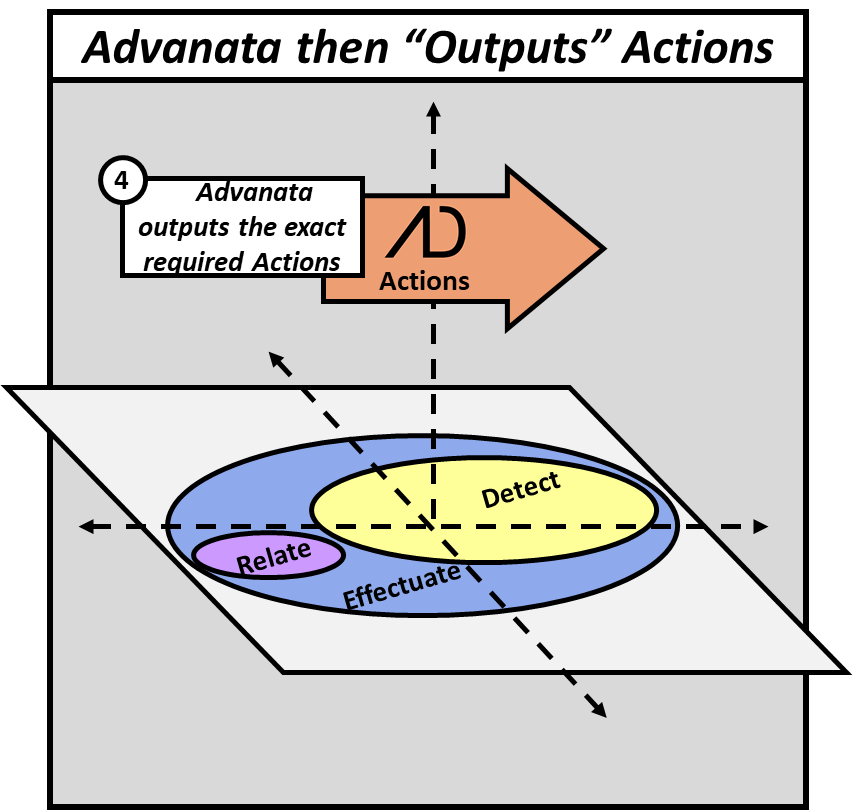
Data effectiveness goes beyond data analysis. By combining the underlying basic questions used in analysis, mapping them into groups, and assigning problem components we arrive at a framework that can solve a surprisingly broad range of business problems in a highly efficient manner.
Customers needn’t concern themselves with any of this though; all they need to know is that their problems can be easily defined, quickly entered, optimally solved, precisely answered, and all with a sound analytical foundation.
 Advanata
Leave a comment