

KPIs sound intelligent in meetings, look impressive in reports, and are praised as practical applications of analytics. Yet, they are frequently misused, sometimes with damaging consequences, and it’s time we re-evaluate how they are applied.
The Problem With KPIs
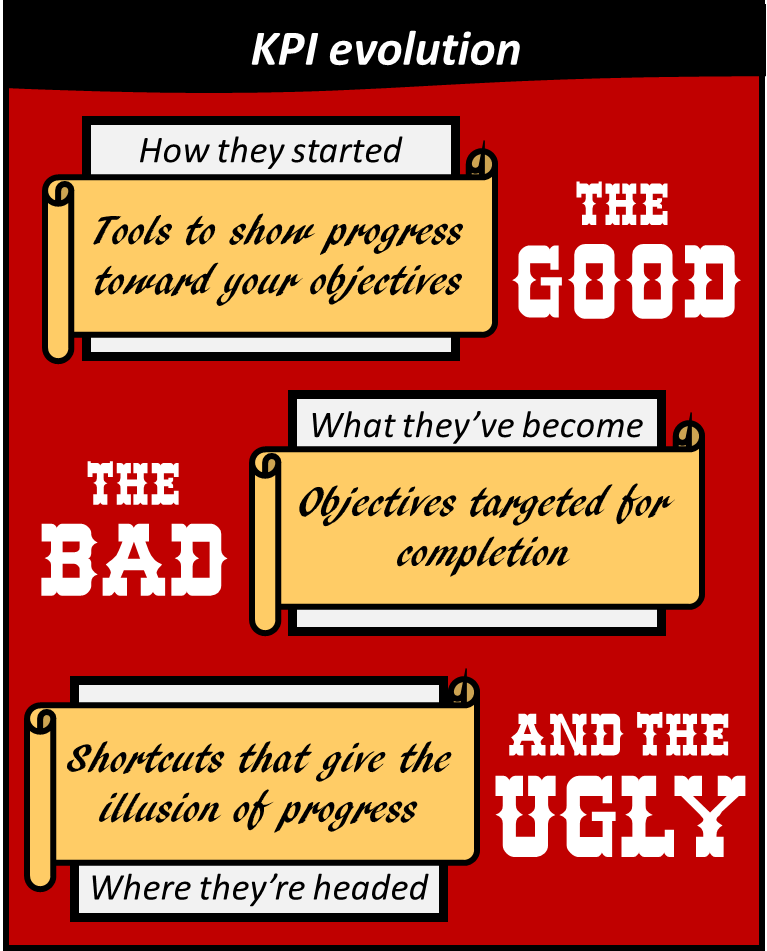
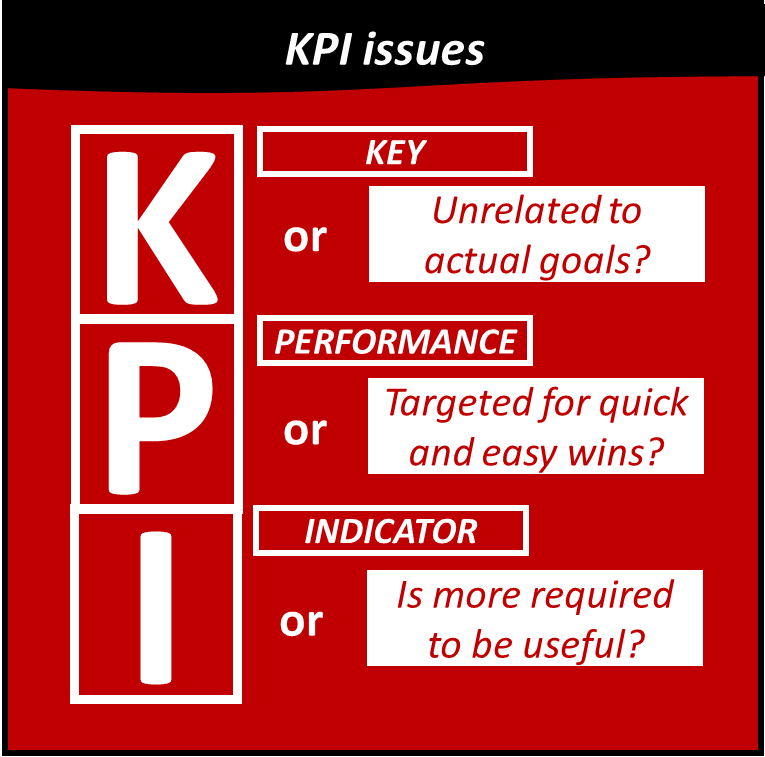
KPIs are a useful concept, but they have become cheat codes that mask the absence of real progress. Instead of tackling the real, complex problems, attention shifts to solving the simpler ones that happen to be measured.

Incorrect Target Objectives
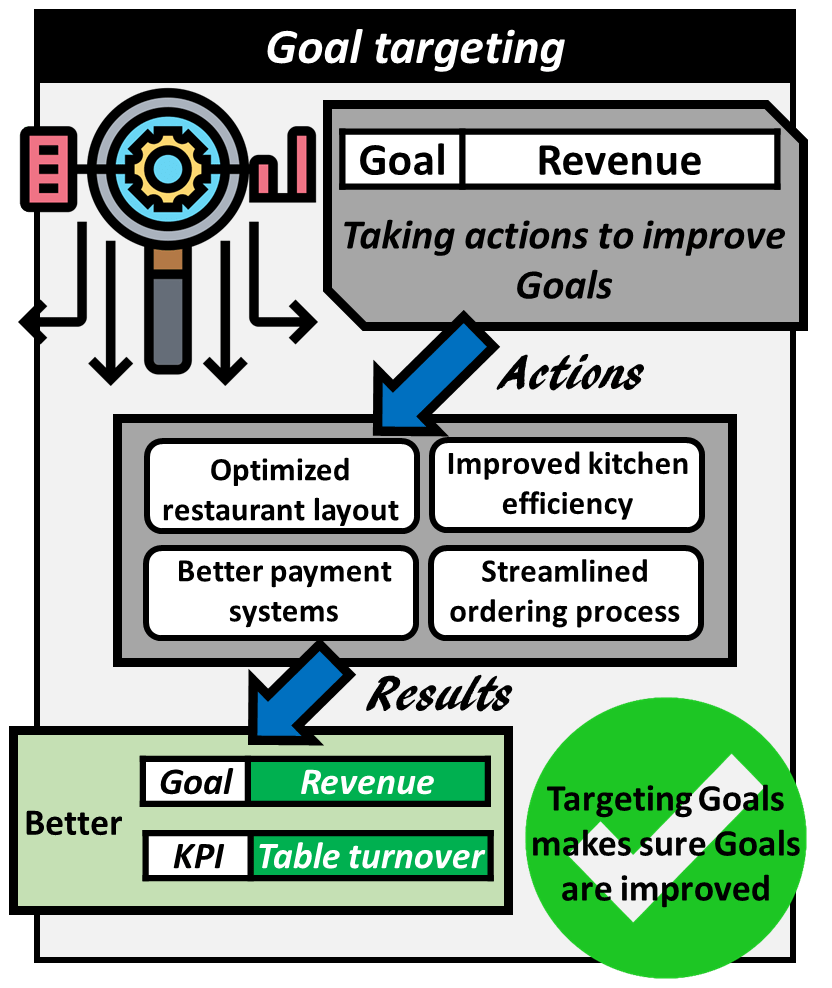
By definition, KPIs are only indicators, not targets. In some cases, it is even questionable whether they reflect key insights or simply misinterpreted correlations. The real targets should be the actual goals tied to the customer’s business problems. These goals must be clearly defined, and every action should be aligned with achieving them.
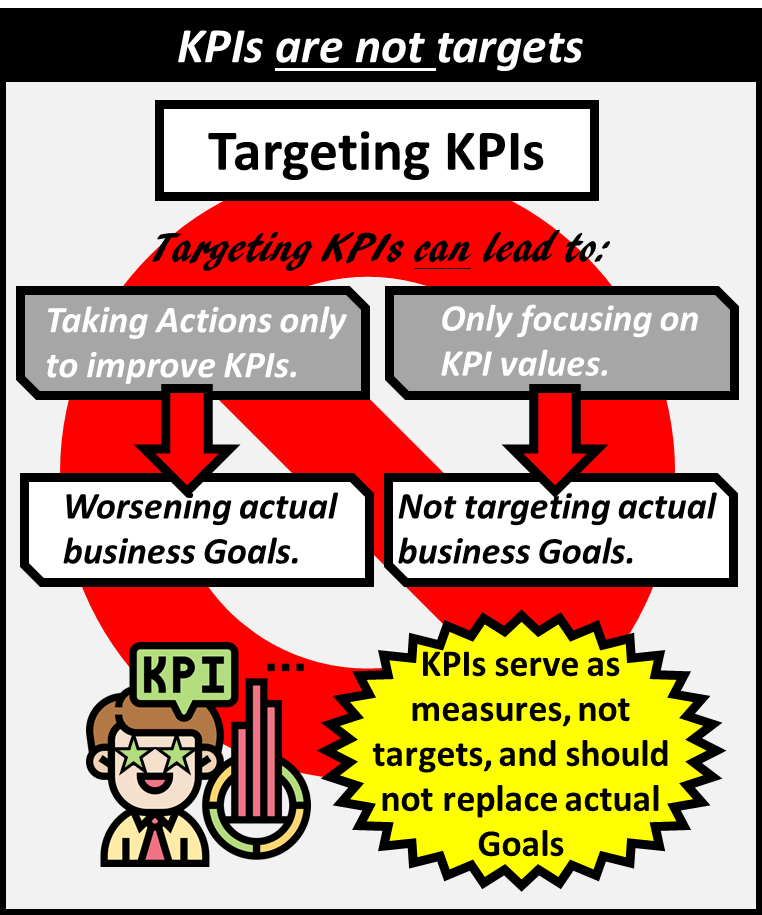
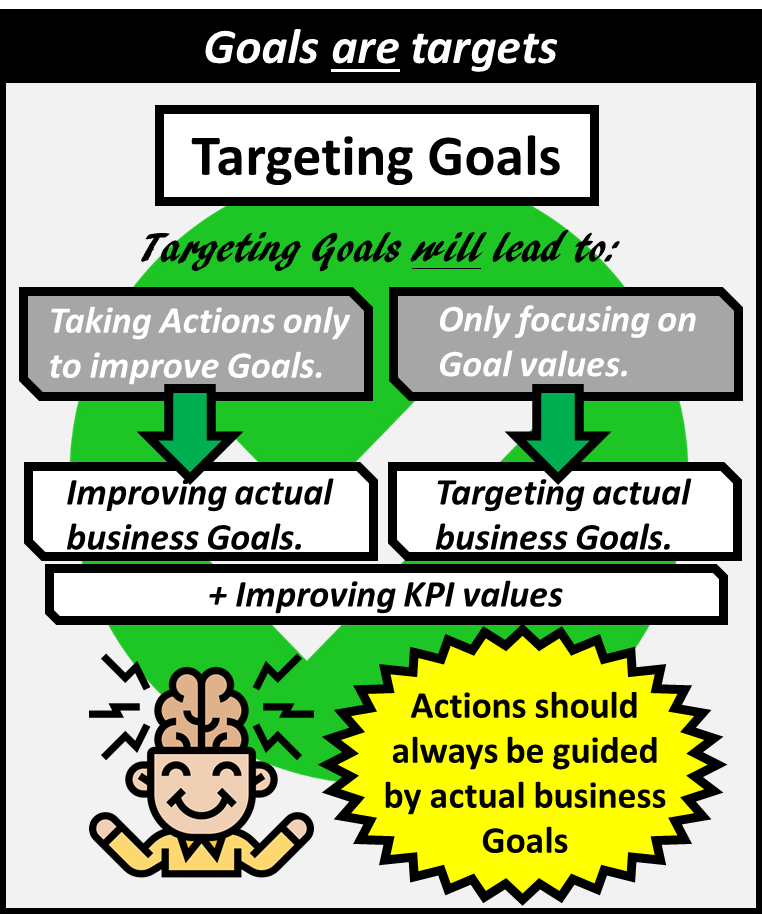
Targeting KPIs Can Worsen Outcomes
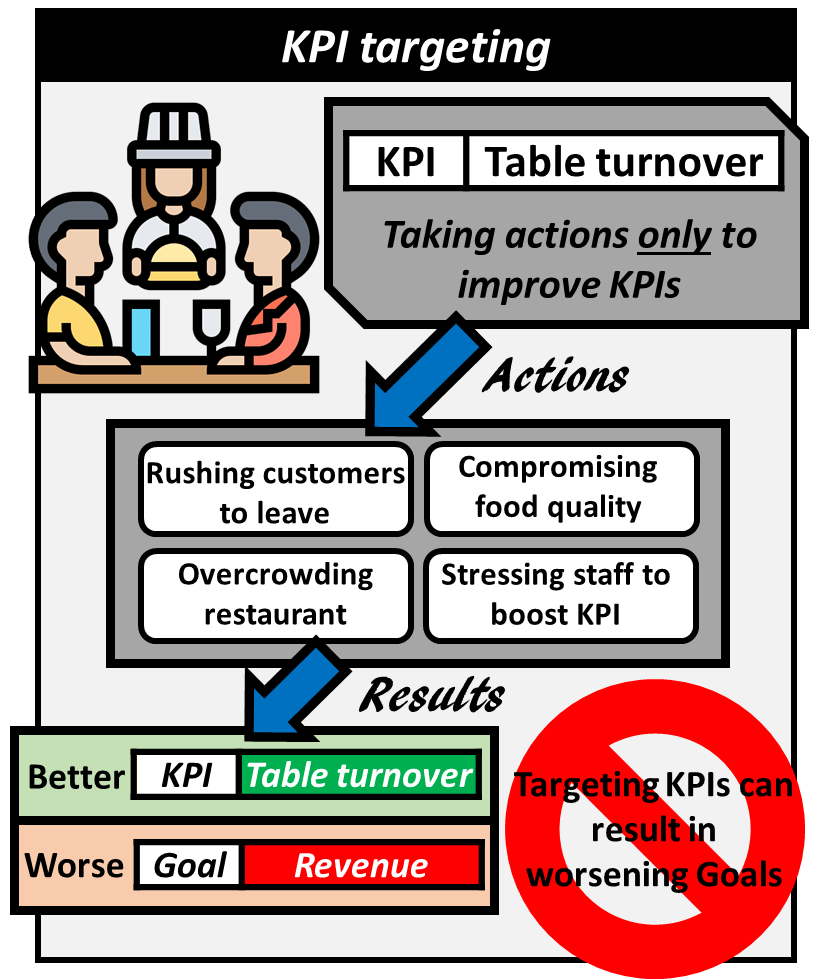
Table turnover is a common restaurant KPI built on the idea that serving more diners leads to higher revenue. But when this number becomes the target, it can lead to misplaced priorities and worse outcomes. The real focus should be on what actually matters to the business: growing revenue.
Is This a Call to Get Rid of KPIs?
This is a call to end the misuse of all measures. KPIs have significant issues that, if not fully addressed, can do more to hinder business goals than help achieve them. Furthermore, analytics is not just about monitoring data; it involves a complete cycle that includes observing, understanding, and taking action based on a well-defined problem.
Focusing on clear, measurable goals is essential to making analytics effective. Without them, the process can quickly become costly and unproductive. Setting tangible goals at the start lays the groundwork for meaningful results. Once the customer identifies their goals, Advanata easily structures the rest using the business problem framework and effectively provides a clear, actionable solution.
Sign up to get the latest articles and product updates.
Ready to see Advanata in action? Explore more resources, read related articles, and access the full application at advanata.com.
Want a personalized walkthrough? Contact info@advanata.com to get application access and schedule a demo.
 Advanata
Leave a comment