

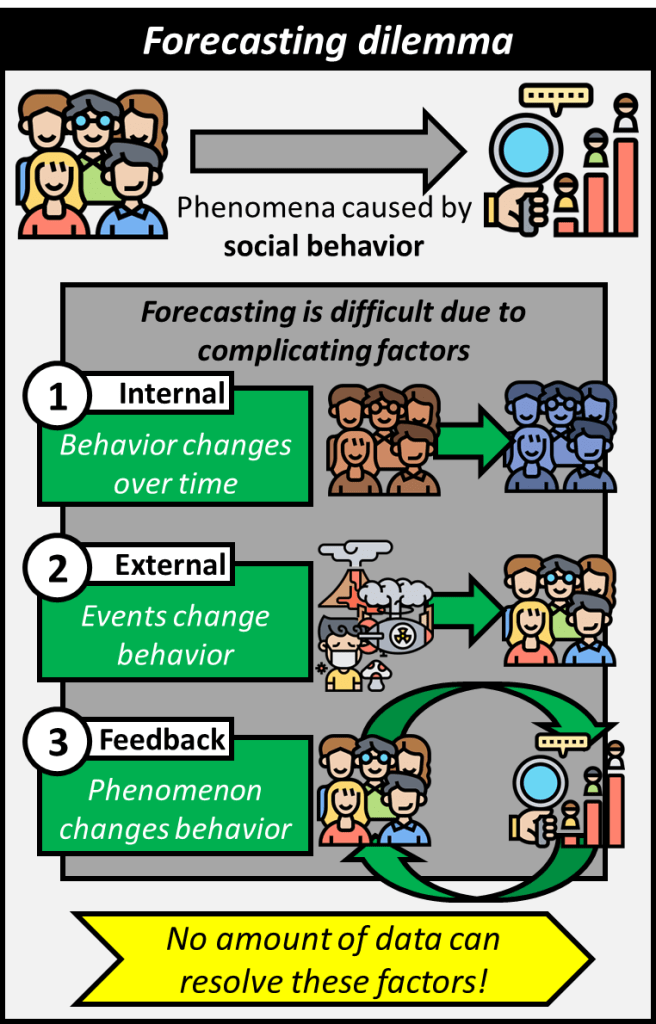
Forecasting is often treated as an essential output. A common assumption is that more data leads to better forecasts, but this breaks down for phenomena driven by social behavior. Rather than forcing unreliable forecasts, we should shift our focus toward solving the underlying problem itself.

Complicating factors make social behavior unstable and unreliable as a basis for forecasting.
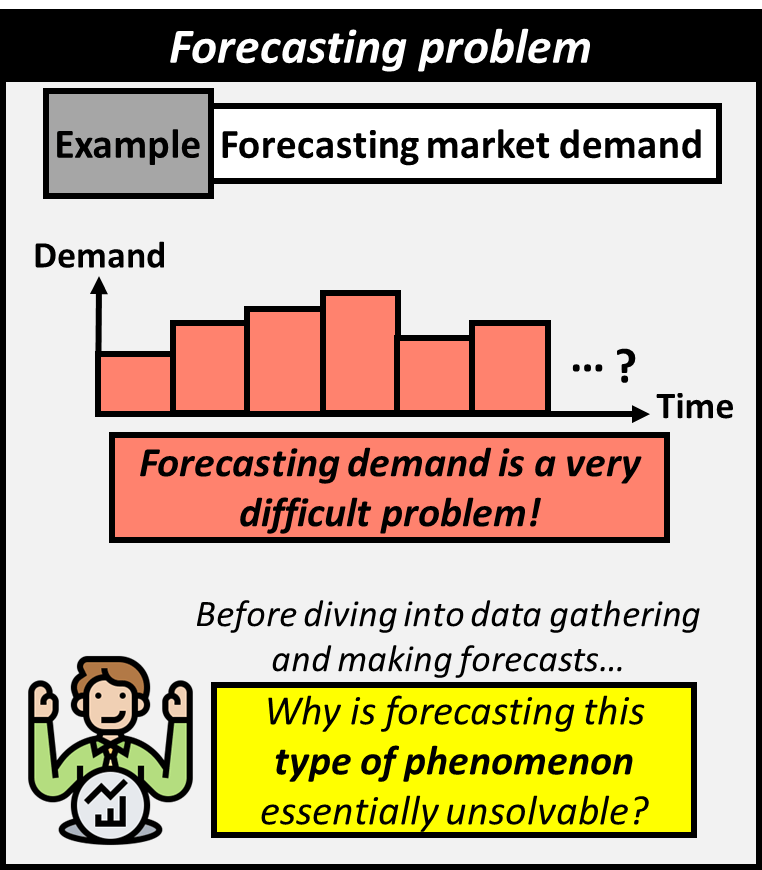
Why Even Forecast?
Analytics discussions often default to a broad study of the current state projected into the future. For business problems, it is worth stepping back and asking why such deep and difficult forecasting is even necessary.
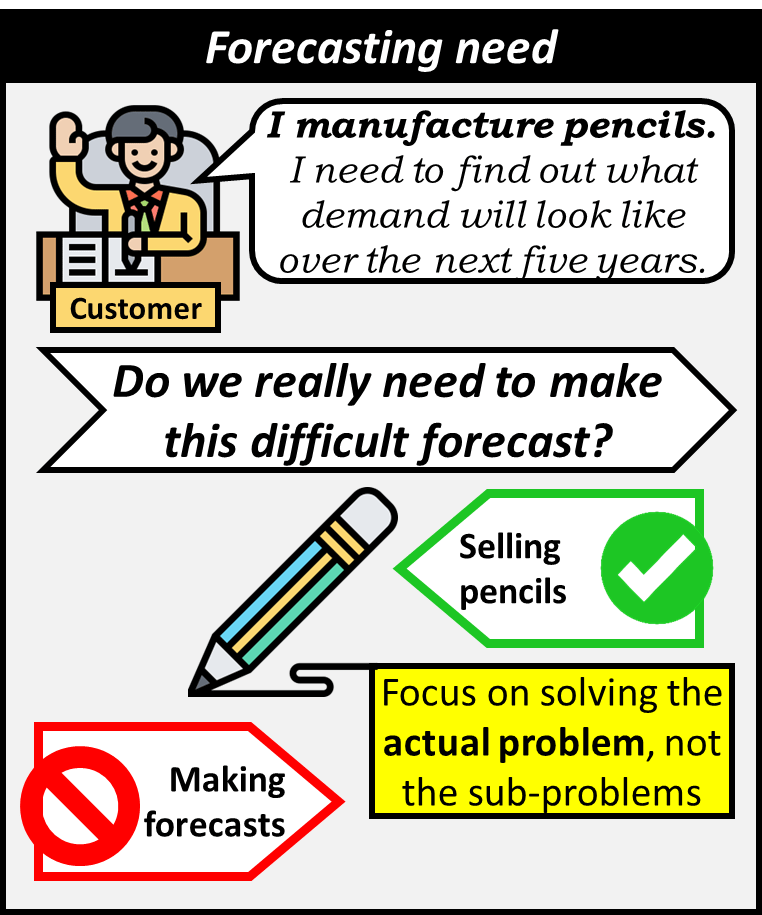
Avoid Forecasting Problems
This requires inductive thinking. Instead of starting with supporting problems, we must first define the right problem before solving it.
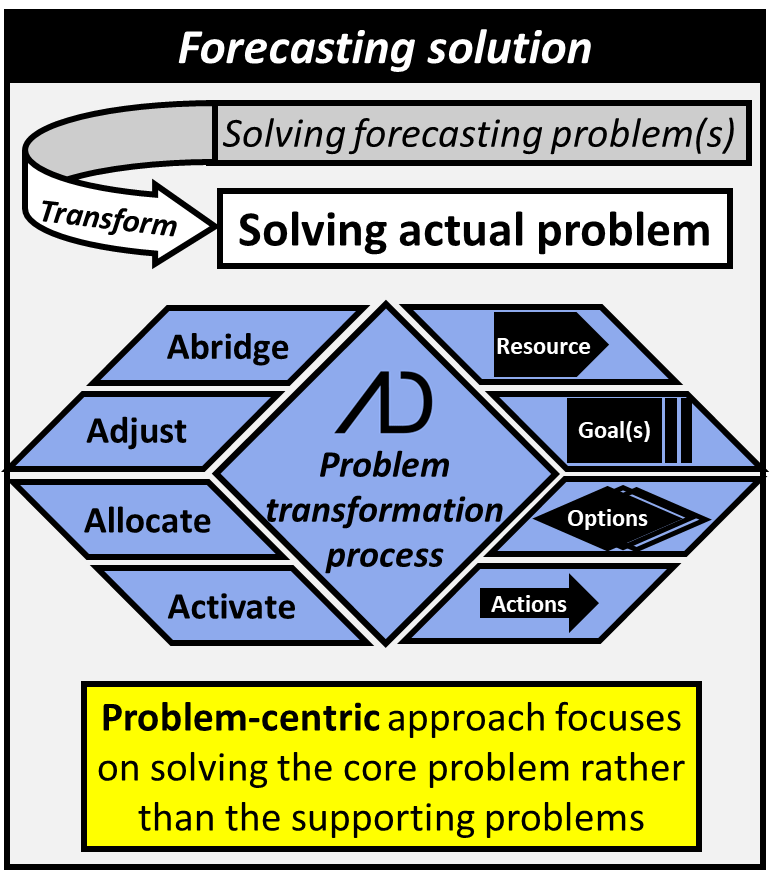
In most cases, we only need to focus on a specific business problem. Spending time and effort analyzing the wider general often adds little value.
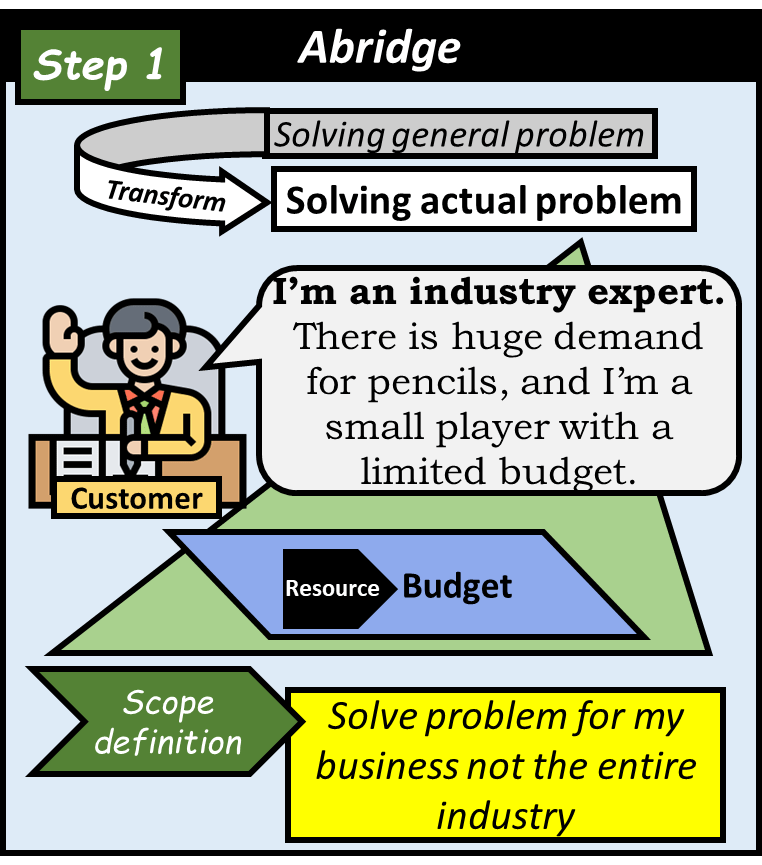
It is critical to clearly understand what we are really trying to solve before jumping into the support problems needed to solve it.
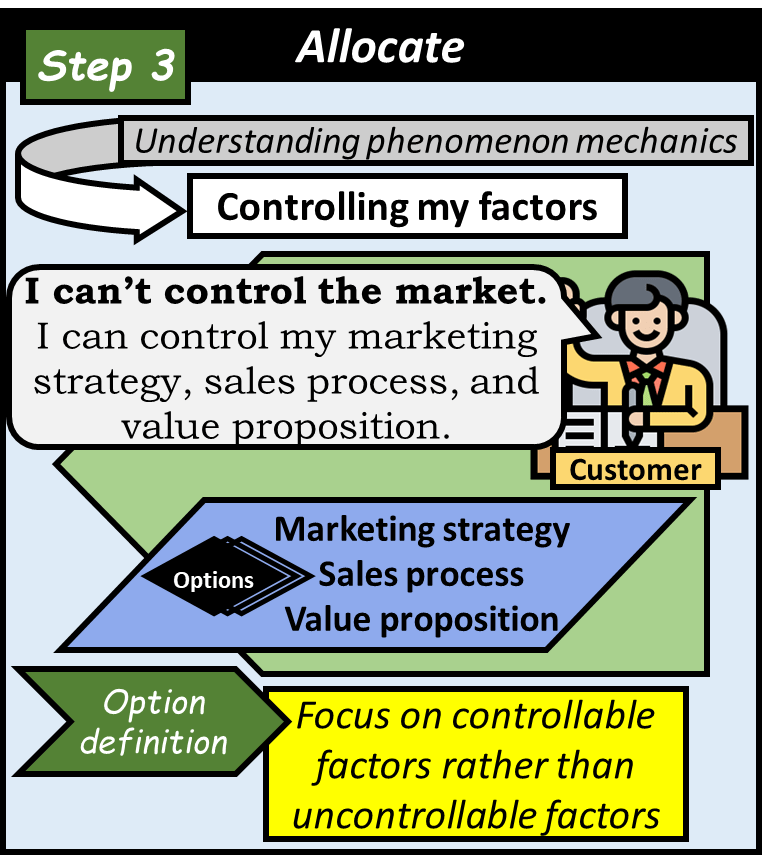
Highly complex problems involve many interacting factors. We should instead focus on the factors we can control for solving the problem.
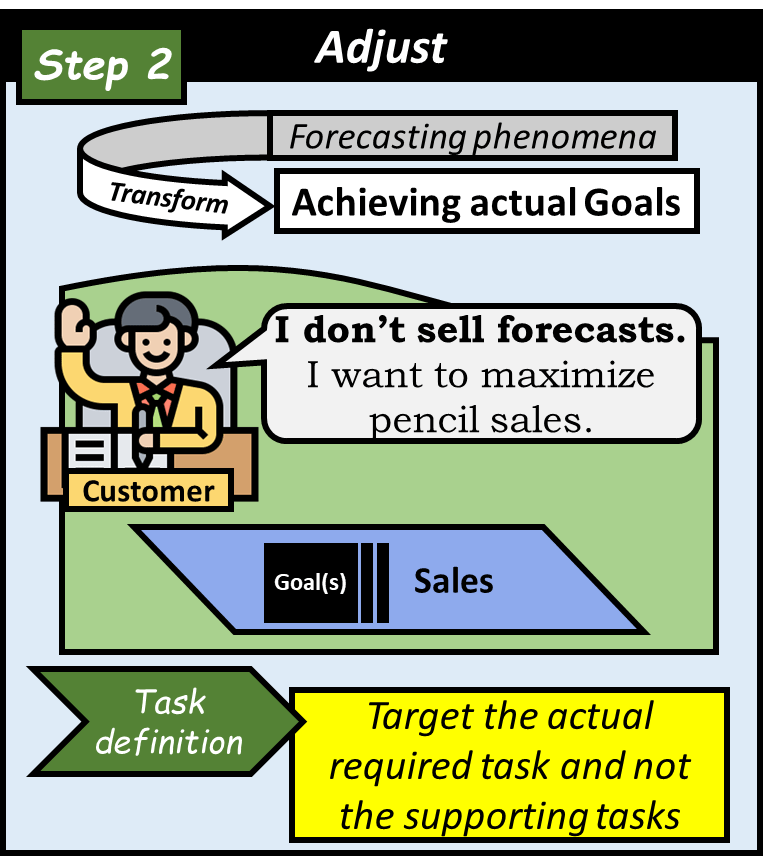
Analysts seek forecasts, but customers do not. Customers want concrete actions that solve their problem and not intermediate data.
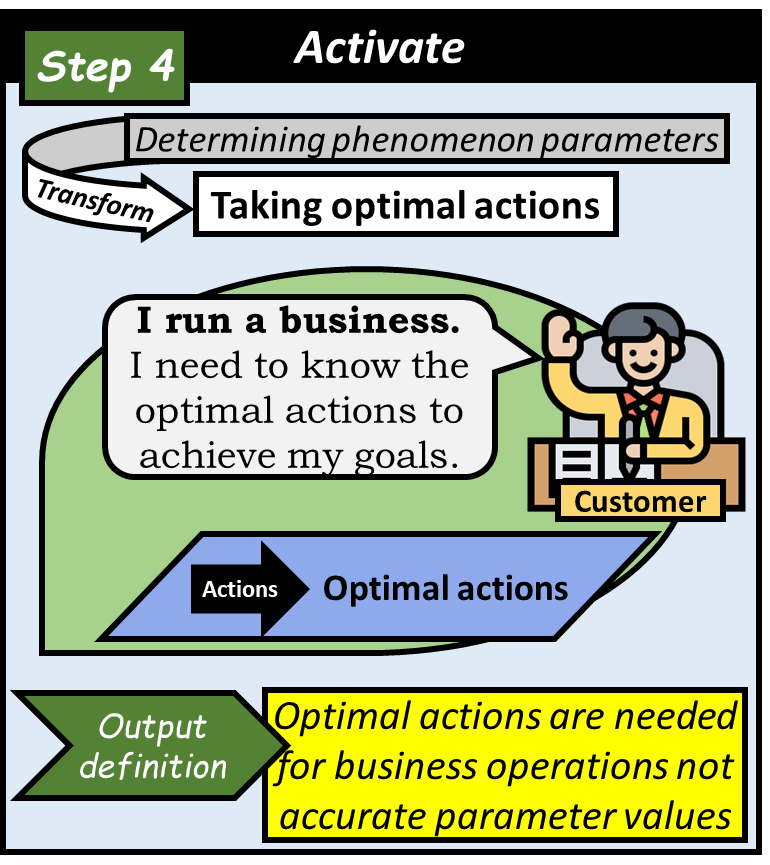
The transformation is complete, and we now have the right problem, with all components in place to be solved using the Advanata solution framework.
Reframe the Problem
Forecasting phenomena driven by social behavior is rarely reliable beyond narrow cases and limited timeframes. A better approach is to reframe the problem around solving the real business issue and identifying the best actions to take. Advanata was built on this philosophy, reducing dependence on forecast accuracy and enabling faster, clearer, and more effective analytics outcomes for customers.
Sign up for early access to articles, delivered every two weeks. Please check your spam folder for the confirmation email.
Ready to see Advanata in action? Explore more resources, read related articles, and access the full application at advanata.com.
Want a personalized walkthrough? Contact info@advanata.com to get application access and schedule a demo.
 Advanata
Leave a comment