

Analytics results can be easily undermined by logical fallacies. It is important to understand, avoid, and identify them when they occur. This discussion outlines key fallacies and shows how the inductive approach helps in preventing their occurrence.
Type 1: Misplaced Intuition
These fallacies typically come from non-quantitative perspectives, and one of the main goals of analytics is to avoid them through sound, objective analysis.
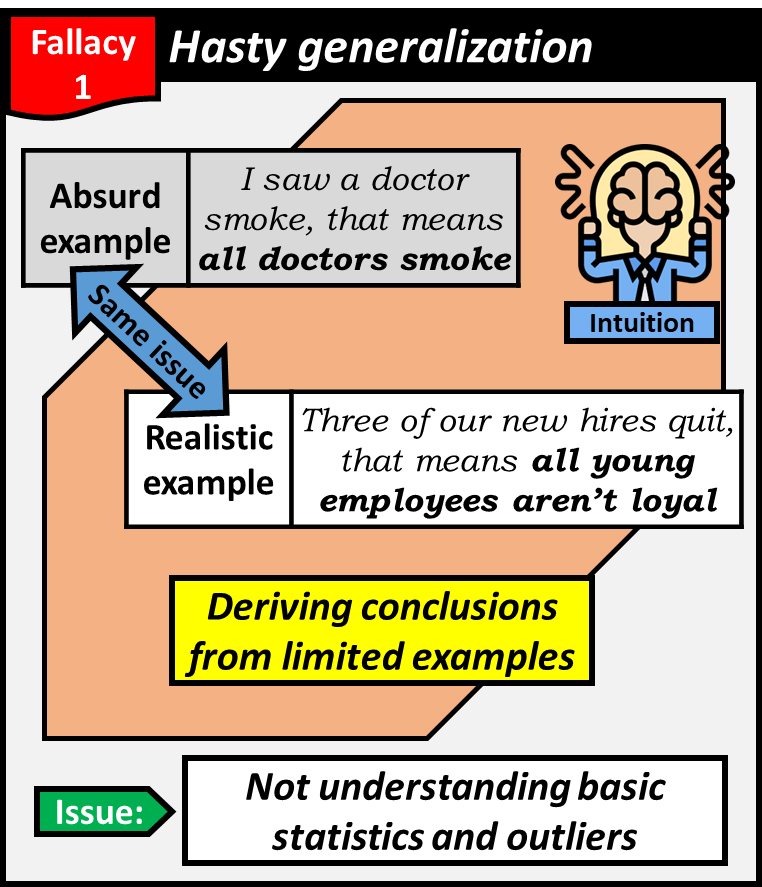
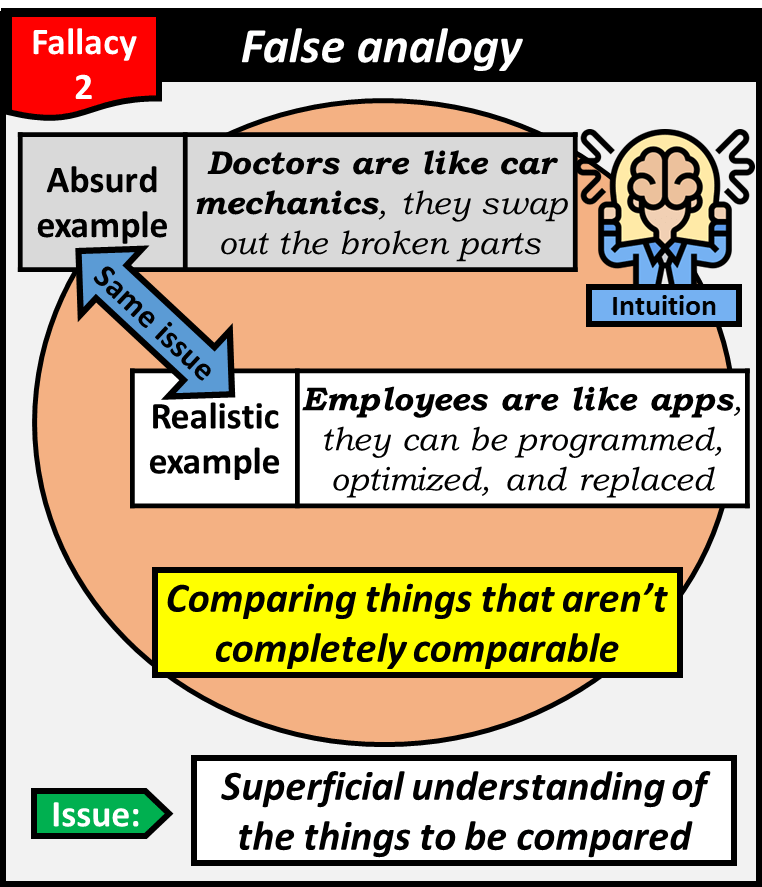
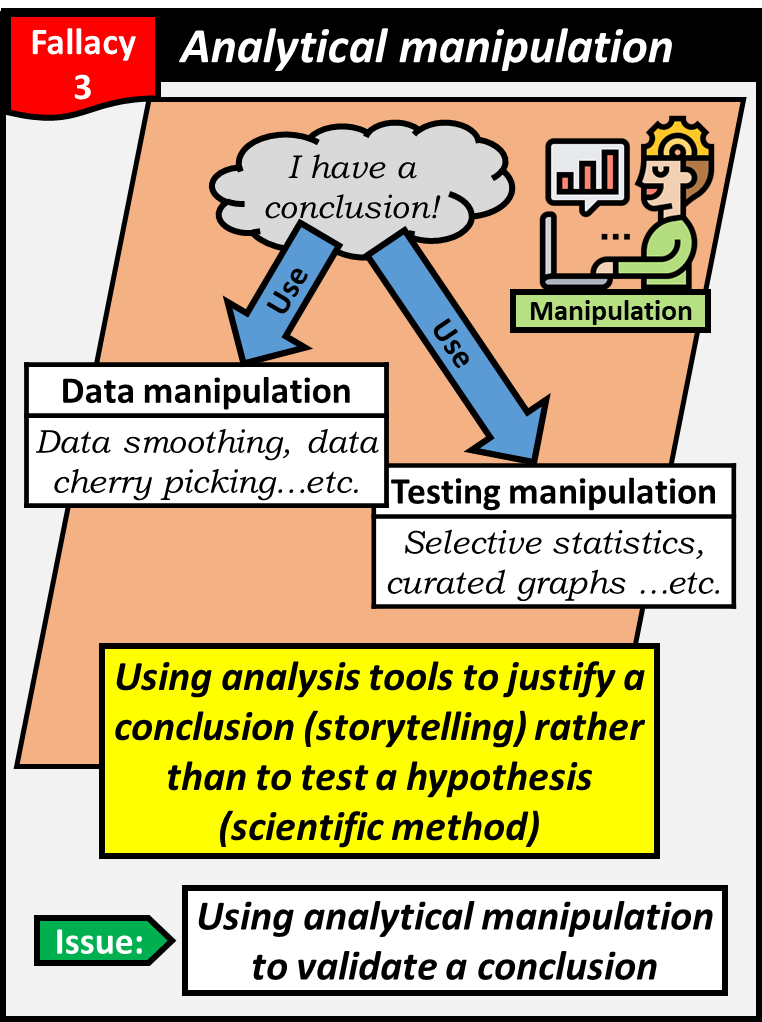
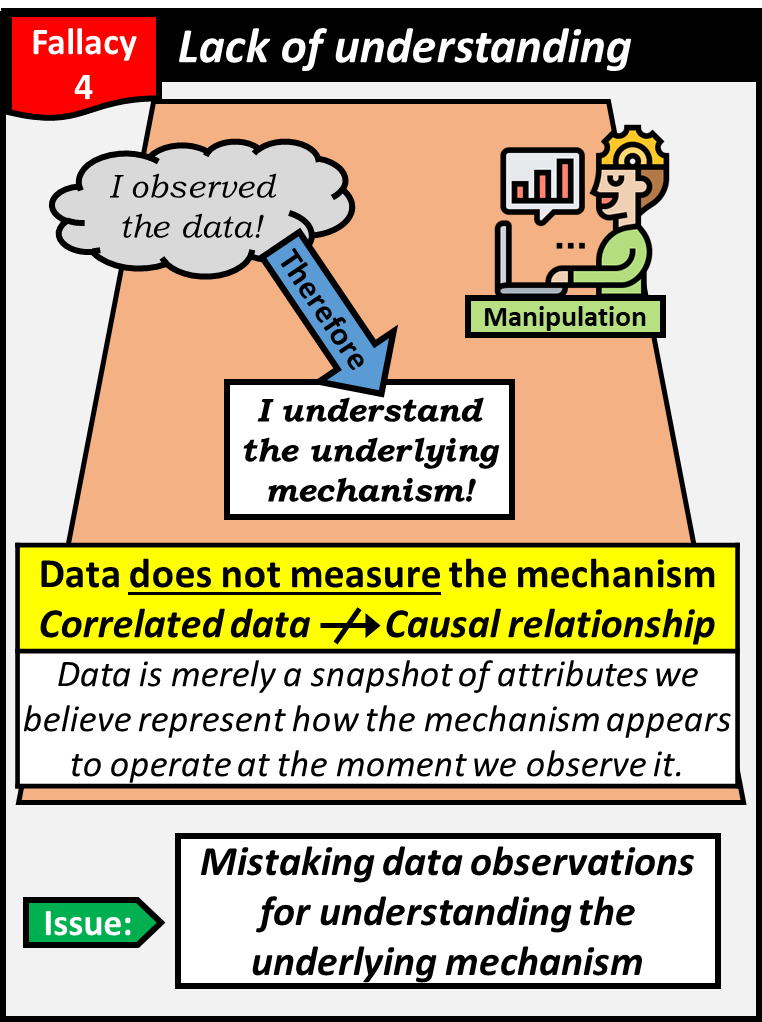
Type 2: Methodological Manipulation
Quantitative practitioners who lack sufficient domain expertise often commit these fallacies. Under pressure to produce results, there is a belief that if something is thoroughly analyzed with mathematical tools, the results must be valid. After all, data is seen as powerful and expected to always provide answers.
Type 3: Illogical Reasoning
These are some of the most insidious fallacies and can affect anyone involved in or outside the analytics process. It is important to remember that logic is the foundation of any analysis, and no matter how compelling the results appear, they must follow logical principles.
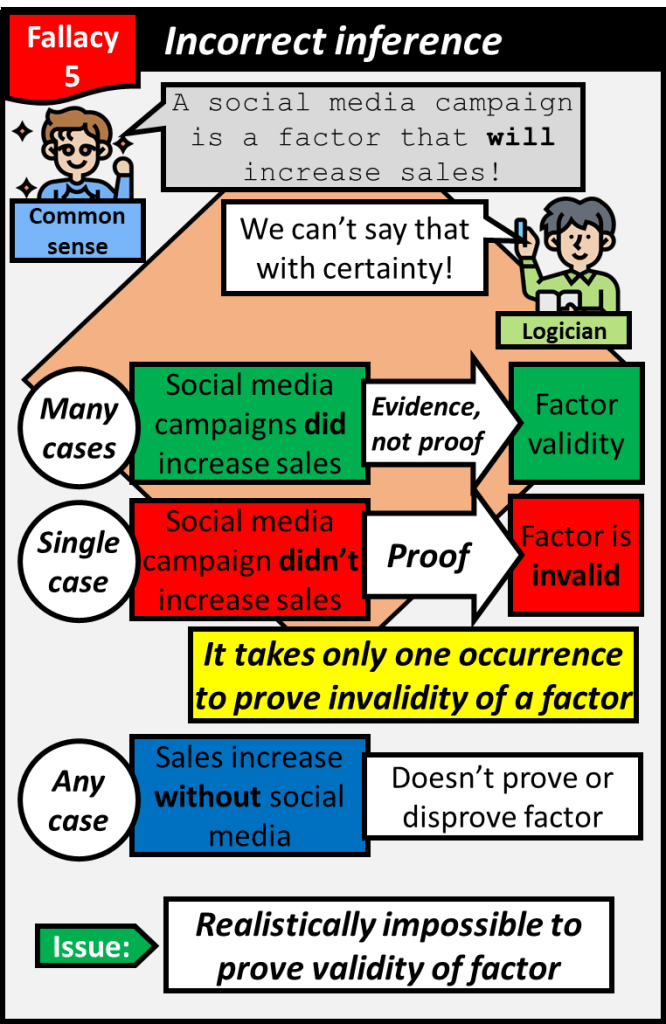
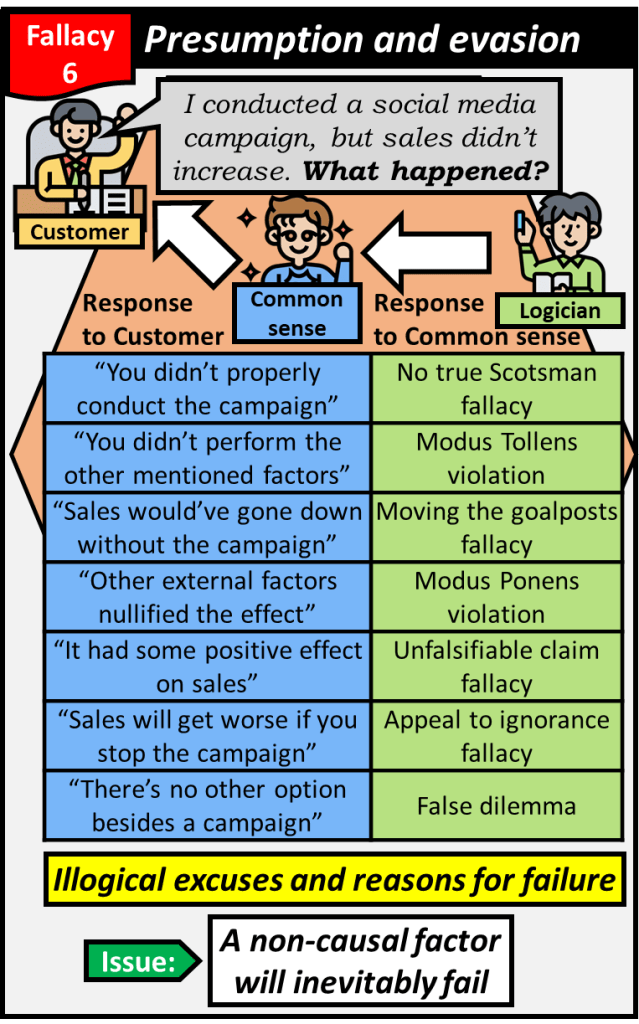
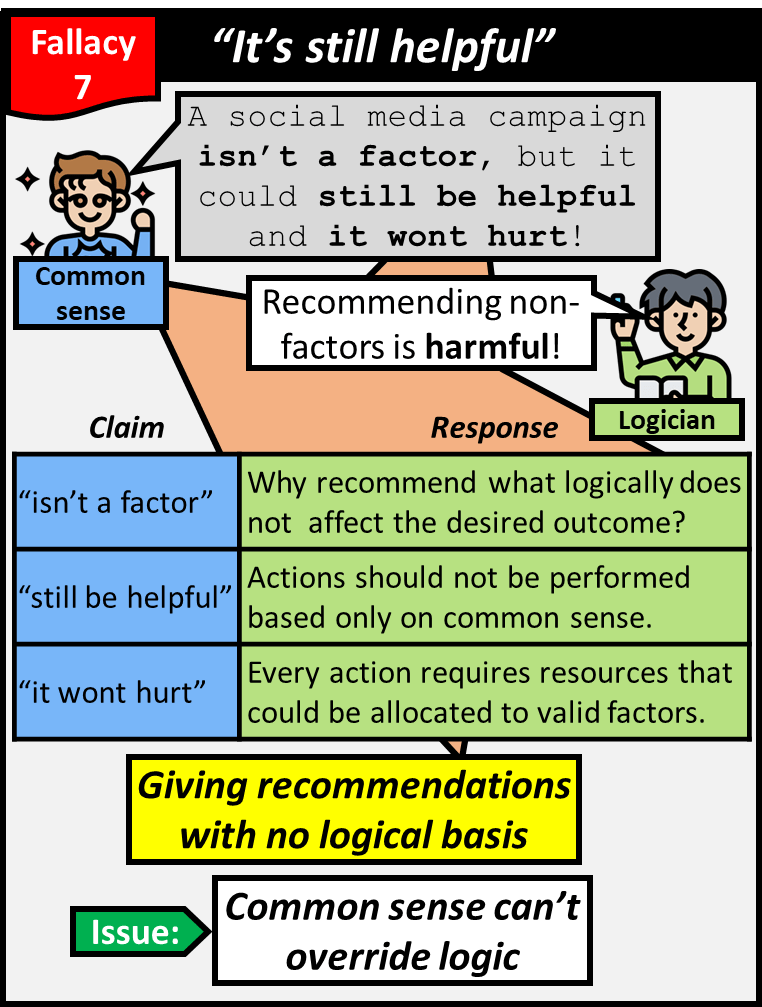
Top-Down Problem Construction
Are we at a total loss? Is there nothing that can be done? Of course not. What is needed is a carefully organized analytics process that assigns each resource to the role where they can deliver the best results and prevents situations where logical fallacies could arise and reach the outcomes.
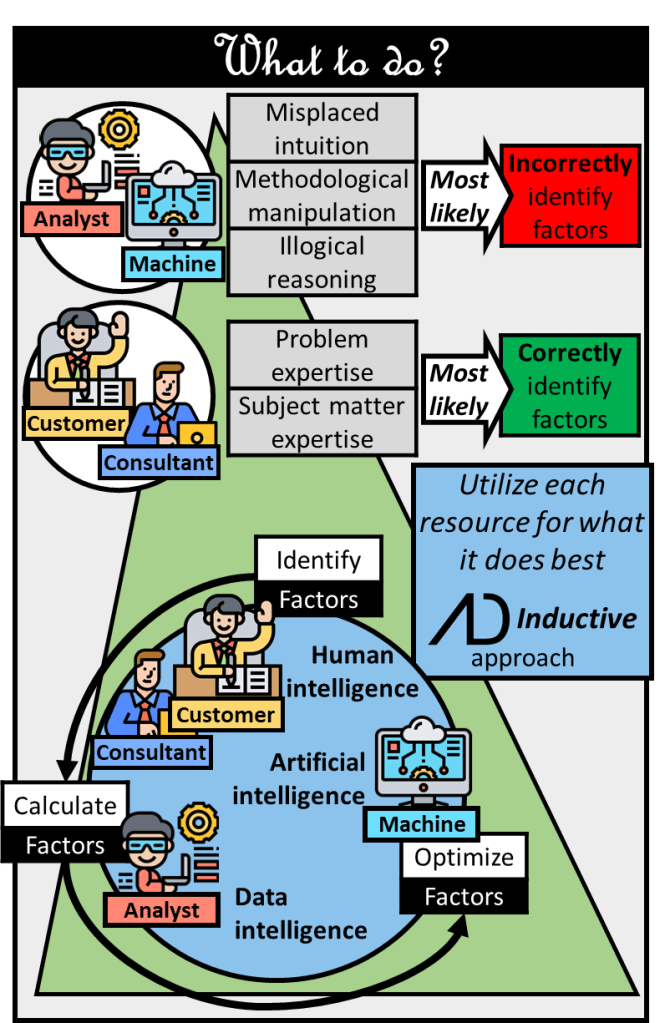
Beware of Ultracrepidarians
Logical fallacies, especially when combined with inherent content bias, are a serious issue across many fields. See how many you can spot the next time you watch a news report. This is not about being pedantic or making analytics harder to execute, but about ensuring quality and delivering the best results for customers, which builds trust in analysts and helps both succeed.
One quick poll question (3 seconds):
I’d really value your input.
Sign up for early access to articles, delivered every two weeks. Please check your spam folder for the confirmation email.
Ready to see Advanata in action? Explore more resources, read related articles, and access the full application at advanata.com.
Want a personalized walkthrough? Contact info@advanata.com to get application access and schedule a demo.


Leave a Reply