

Analytics presentations often look more impressive than the analysis behind them. Weak results are compensated with polished visuals and abundant outputs. The results may look thorough yet leave the decision owner no closer to a clear decision.
The Analytics Playbook
At the end of every analytics project comes the presentation to the decision owner. The results will not always be quantitative wins and that is to be expected. The bigger problem is that findings, good or bad, are often presented using the same template, masking their true quality.
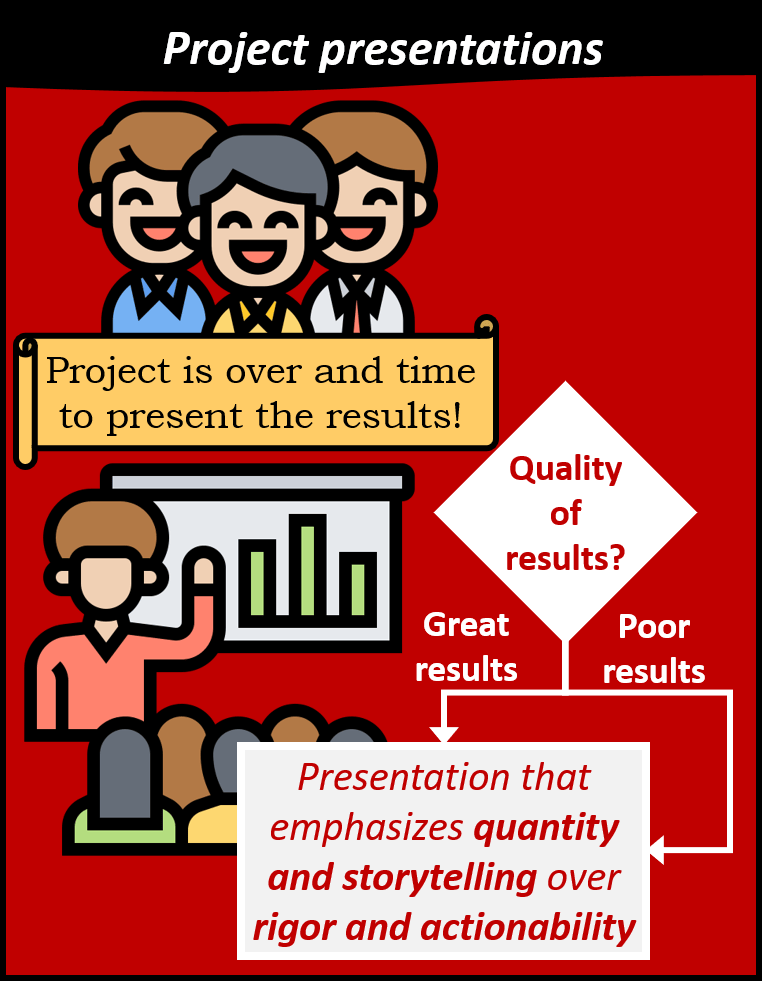
Diversions That Hide Poor Results
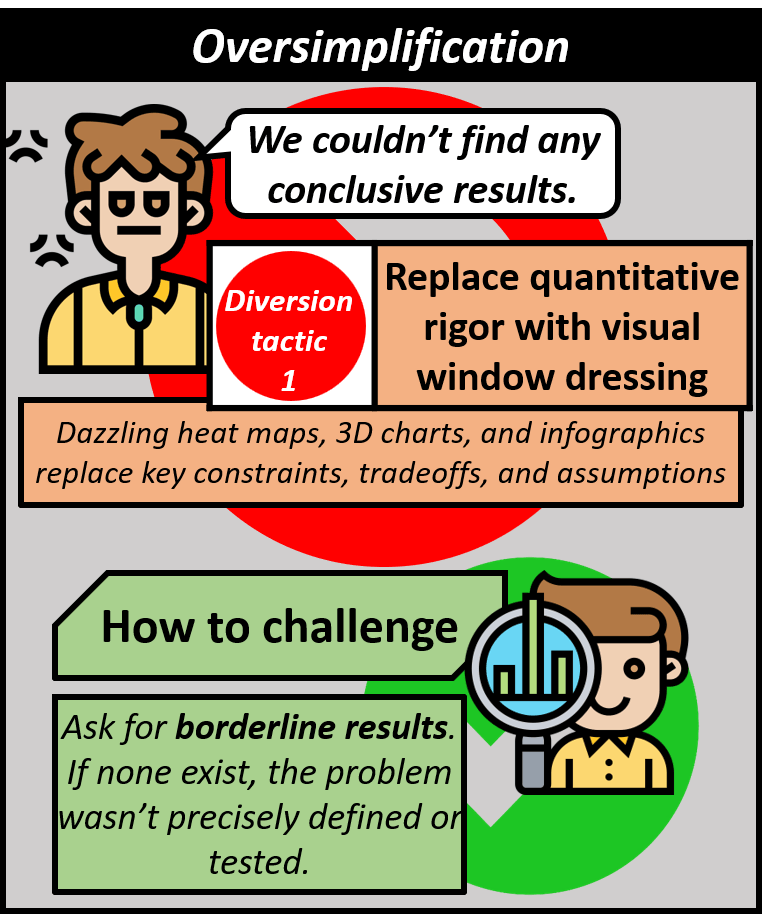
Imprecise problems cannot produce precise results. Excessive effort spent making results look impressive should raise concern. One way to expose this is to ask for borderline cases that demonstrate thorough testing.
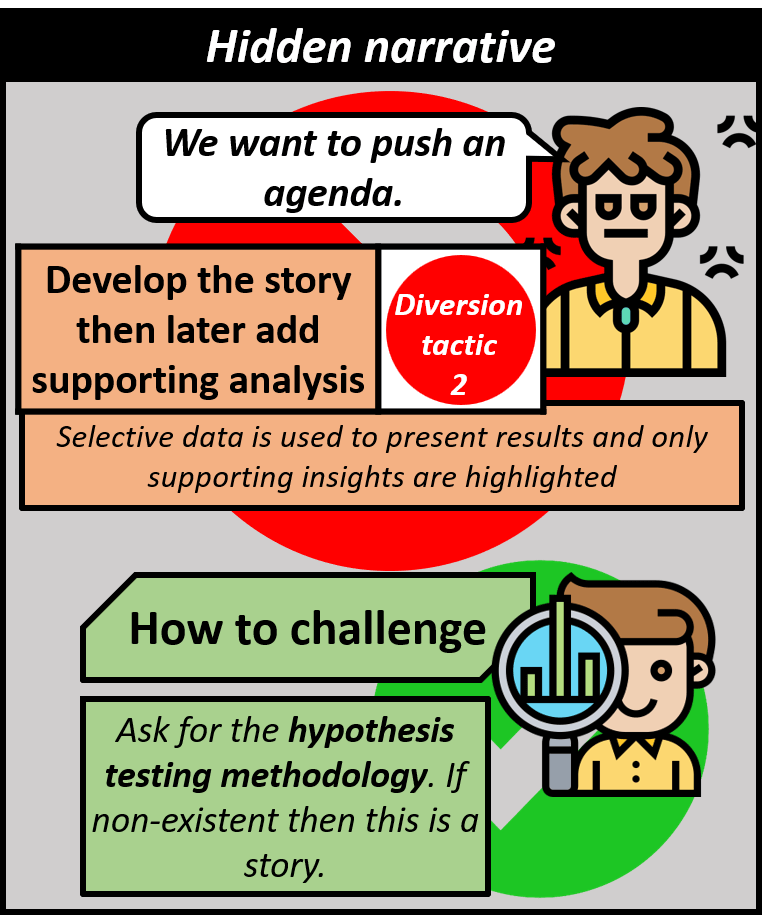
When a presenter is promoting an agenda, the results can seem almost too good to be true, with every finding neatly supporting the storyline. This is common in feasibility studies and investment pitches. Without hypothesis testing, it is storytelling, not evidence.
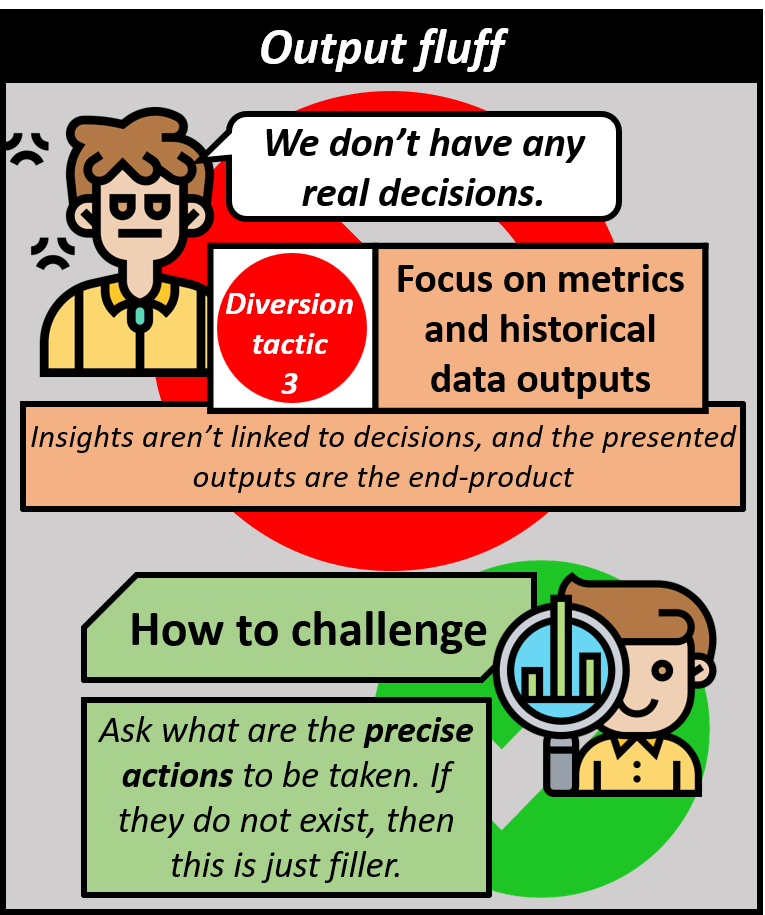
A content-heavy presentation can mask the fact that no conclusive decisions were reached. The reasons may vary, but the output remains incomplete. If it cannot identify precise actions, it is mostly interesting data rather than a useful result.
Prevent Deception from the Start
Advanata’s three core technologies counter these tactics by enforcing a solution framework that prevents weak results from passing as solutions and ensures every output is as precise and optimal as possible at that point in time. This is demonstrated through practical applications across a range of business decision problems.
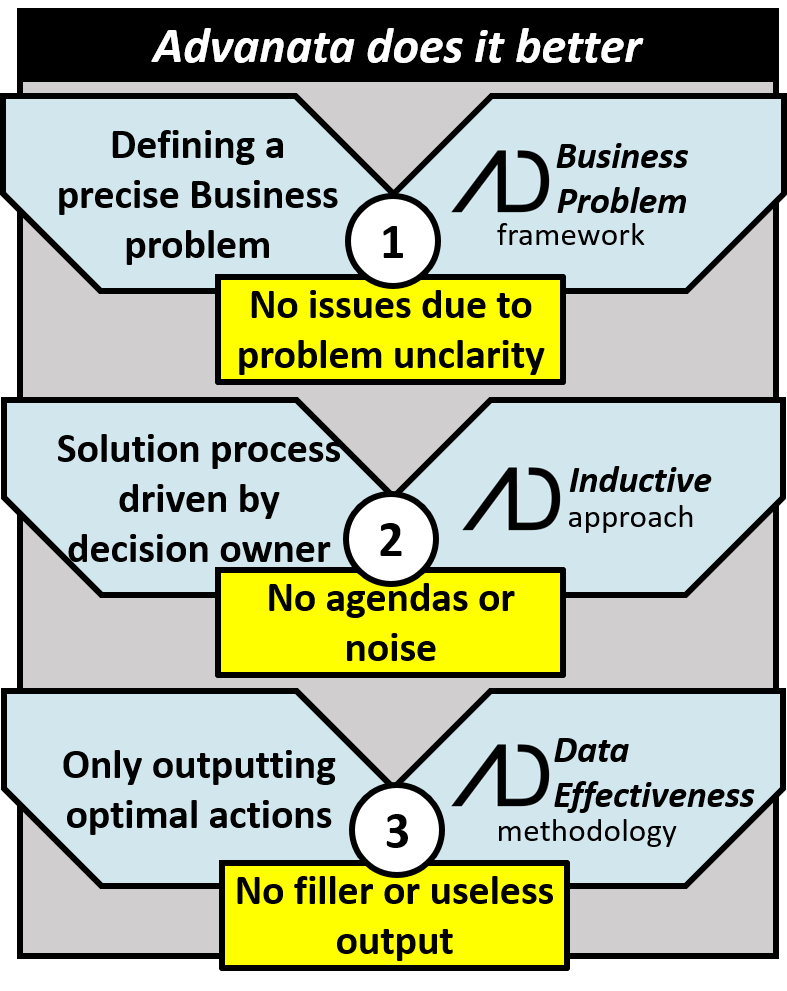
Back to the Point of Analytics
High-level observations about underlying data are not analytics. They are a preliminary step in the solution process, not a final deliverable. Advanata ensures the process is complete, delivering the decision owner a useful, precise, and optimal solution.
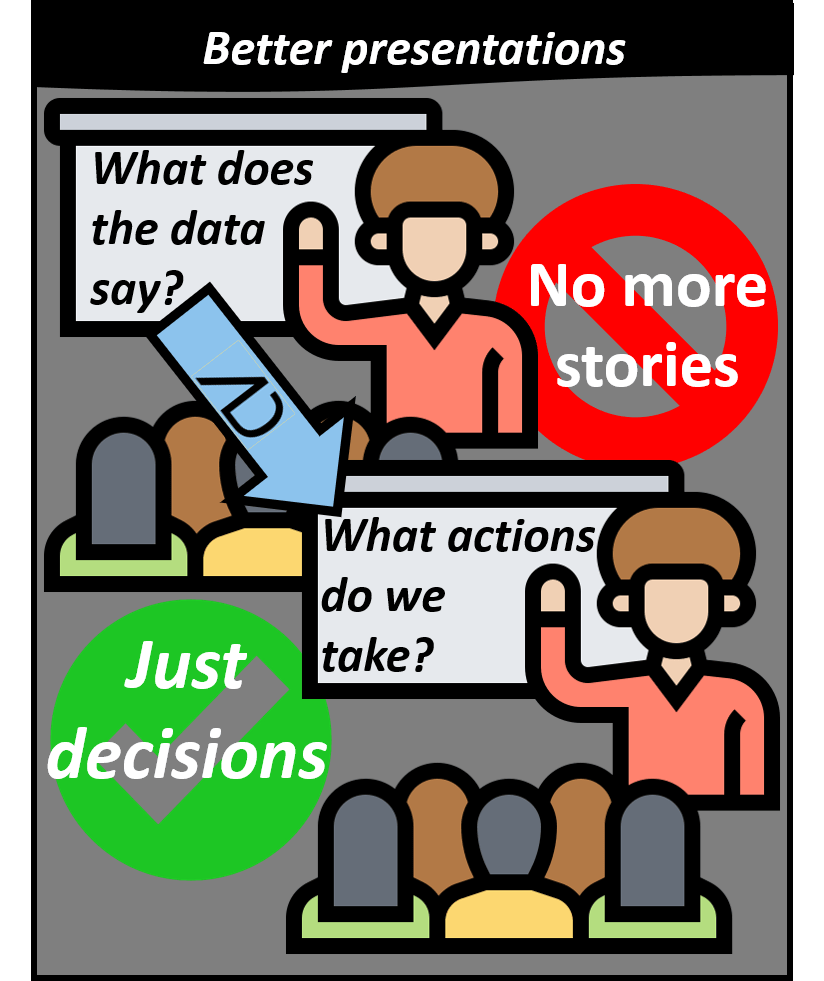
Substance Over Show
Good analytics results shouldn’t require presentation tricks to demonstrate their value. The solution process should produce a clear, defensible, and actionable result, not simply an impressive collection of findings. Advanata is designed around this principle, ensuring that the analysis is completed until it produces precise and optimal actions that directly serve the decision owner.
One quick poll question (3 seconds):
I’d really value your input.
Sign up for early access to articles, delivered every two weeks. Please check your spam folder for the confirmation email.
Ready to see Advanata in action? Explore more resources, read related articles, and access the full application at advanata.com.
Looking for a personalized walkthrough or decision intelligence consulting? Contact info@advanata.com to get application access, schedule a demo, or discuss your decision optimization challenges.


Leave a Reply