

Effective business decisions depend on clearly defining the core problem components before any solution work begins. When these components are incomplete, outcomes are often inadequate. This article focuses on the role of resources in shaping a well-defined business decision problem and shows why proper definition is essential for achieving effective and actionable results.
Importance of Properly Defining Resources
Resources are often the most overlooked component of a well-defined problem. They must be clearly identified, properly defined, and effectively allocated.
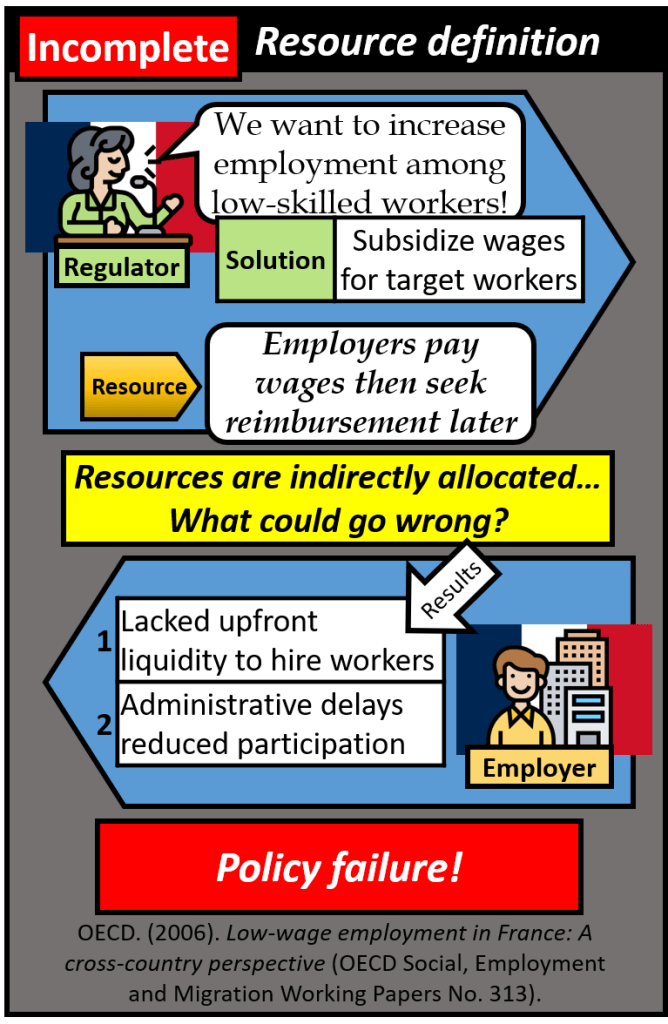
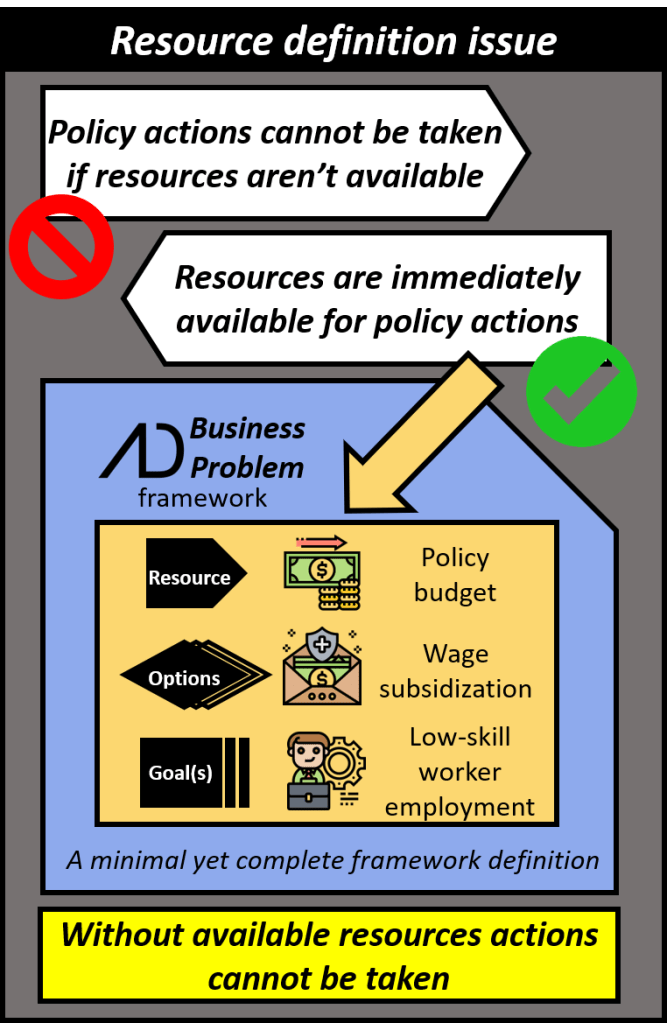
The business problem framework requires all three components to be fully defined before the solution process can begin. This encourages decision owners to carefully examine and structure their problem before attempting to solve it. The result is a clearer understanding of the challenge at hand and a solution that is better aligned with the outcomes they are seeking to achieve.
The following case is very similar to the previous one, but with resources clearly defined and properly allocated. This distinction had a significant impact on achieving a successful solution.
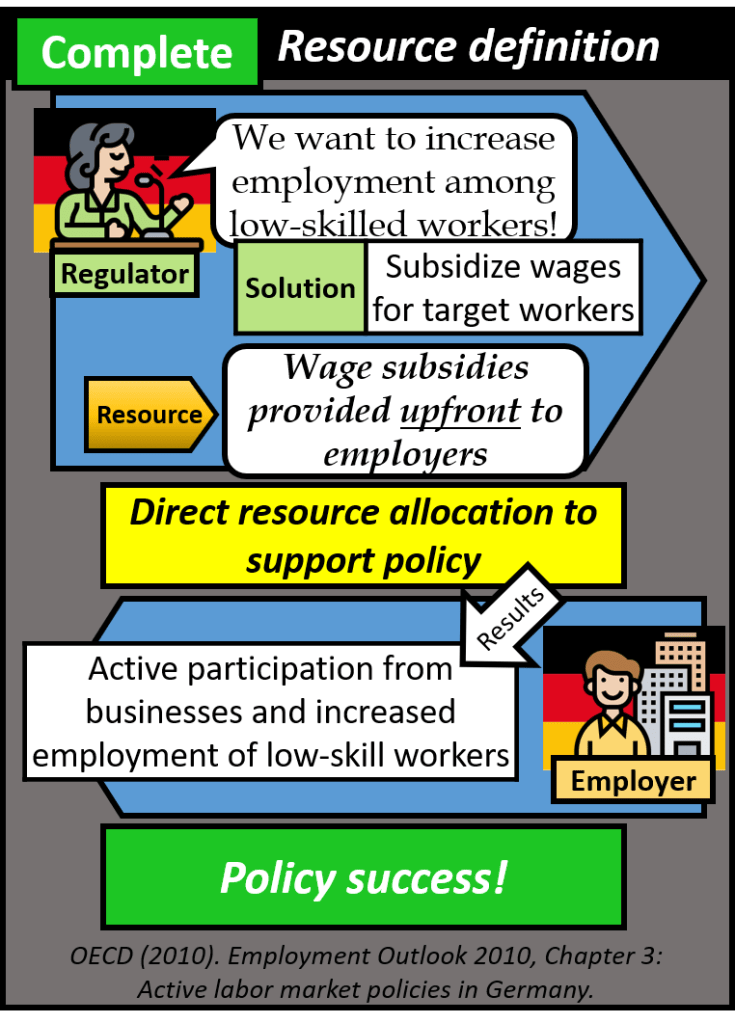
Comparing the two cases, the primary difference was how resources were handled. In the first case, resources were not fully defined as part of the problem, and the policy failed. In the second case, resources were clearly defined and properly allocated, which contributed to the policy’s success.
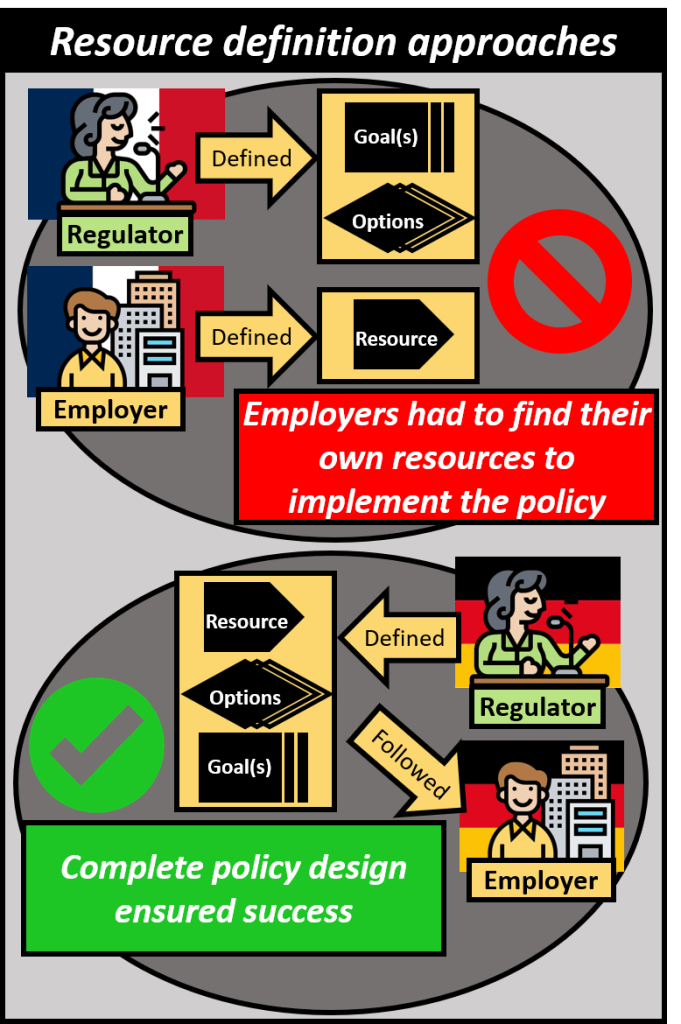
Business Problem Framework Components
Resource definition is the second step in the business problem framework definition process. As we have seen, even a small gap in resource definition can undermine an otherwise well-structured problem and lead to an unsatisfactory solution.
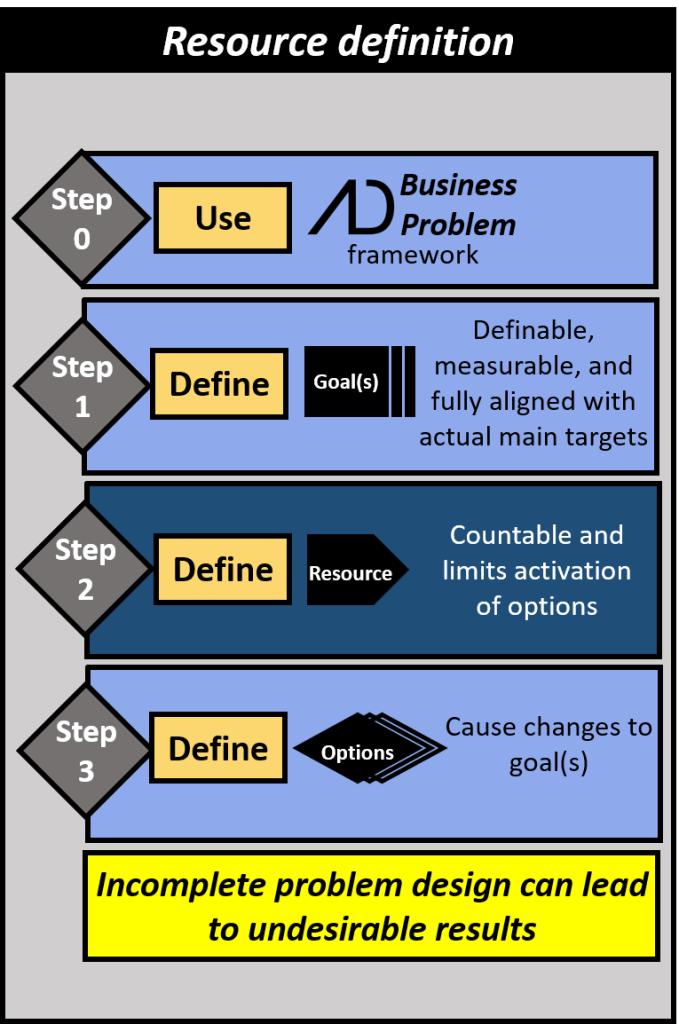
Resource Definition Determines Solution Success
The case studies demonstrate that resources are a fundamental part of the problem, not just inputs to a solution. When resources are poorly defined, even well-designed solutions can fail. For this reason, Advanata‘s business problem framework requires resources to be fully defined before solving begins, ensuring that solutions are practical, achievable, and aligned with the intended outcomes.
One quick poll question (3 seconds):
I’d really value your input.
Sign up for early access to articles, delivered every two weeks. Please check your spam folder for the confirmation email.
Ready to see Advanata in action? Explore more resources, read related articles, and access the full application at advanata.com.
Looking for a personalized walkthrough or decision intelligence consulting? Contact info@advanata.com to get application access, schedule a demo, or discuss your decision optimization challenges.


Leave a Reply